
As an Amazon Associate, we earn from qualifying purchases at no extra cost to you.
Quick Answer
I got caught in a severe thunderstorm 8 miles from the trailhead with no rain gear and a rapidly dropping temperature. I made it out. It took four hours longer than it should have, I was hypothermic by the time I reached the car, and I sat in the parking lot shaking for 20 minutes before I could drive. The three pieces of gear I now carry weigh 14 ounces combined and cost less than $90. Here is exactly what happened and exactly what I carry now.
How It Started
It was a September Saturday in the Cascades. I had done this trail twice before — a 16-mile out-and-back with about 2,800 feet of elevation gain. I checked the weather the night before: partly cloudy, high of 68, 20% chance of afternoon showers. I have hiked in light rain dozens of times. I left my rain jacket in the car.
At mile 8, at the turnaround point, the sky changed in about 12 minutes. Not gradually — suddenly. The temperature dropped 15 degrees. The wind picked up from the west and brought with it a wall of rain that was not light rain. It was the kind of rain that moves sideways. Within 4 minutes I was completely soaked. Within 10 minutes I was shivering. By mile 10 my hands were too cold to grip my trekking poles properly.
I want to be honest about what I was thinking at mile 11: I was not thinking clearly. That is what early hypothermia does. I was moving slowly, I was making poor decisions about the trail, and I was not registering how serious my situation was. A faster hiker came up behind me, saw my condition, gave me his emergency bivvy from his pack, and stayed with me for 20 minutes while my core temperature stabilized enough to continue. I did not know his name. He probably saved me from a much worse outcome.
What Was Missing From My Pack
Three things. Combined weight: 14 ounces. Combined cost: under $90. I had owned two of them and left them at home because I was not planning on bad weather. That sentence is the most dangerous sentence in hiking. You do not plan for bad weather. Bad weather does not check your plans.
What I Carry Now — Every Single Time

FROGG TOGGS Ultra-Lite2 Rain Suit — $22.74 (31% discount currently). Waterproof, breathable, packs into its own pocket the size of a water bottle. This is the gear I owned and left in the car. It weighs 8 ounces. It would have taken me 45 seconds to put on at the first sign of weather change and I would have arrived at the trailhead dry and warm. Instead I spent 4 hours soaked and hypothermic. The FROGG TOGGS is not premium gear — serious mountaineers use more technical shells. For a day hiker caught in unexpected rain, it is exactly sufficient and costs less than a restaurant dinner.
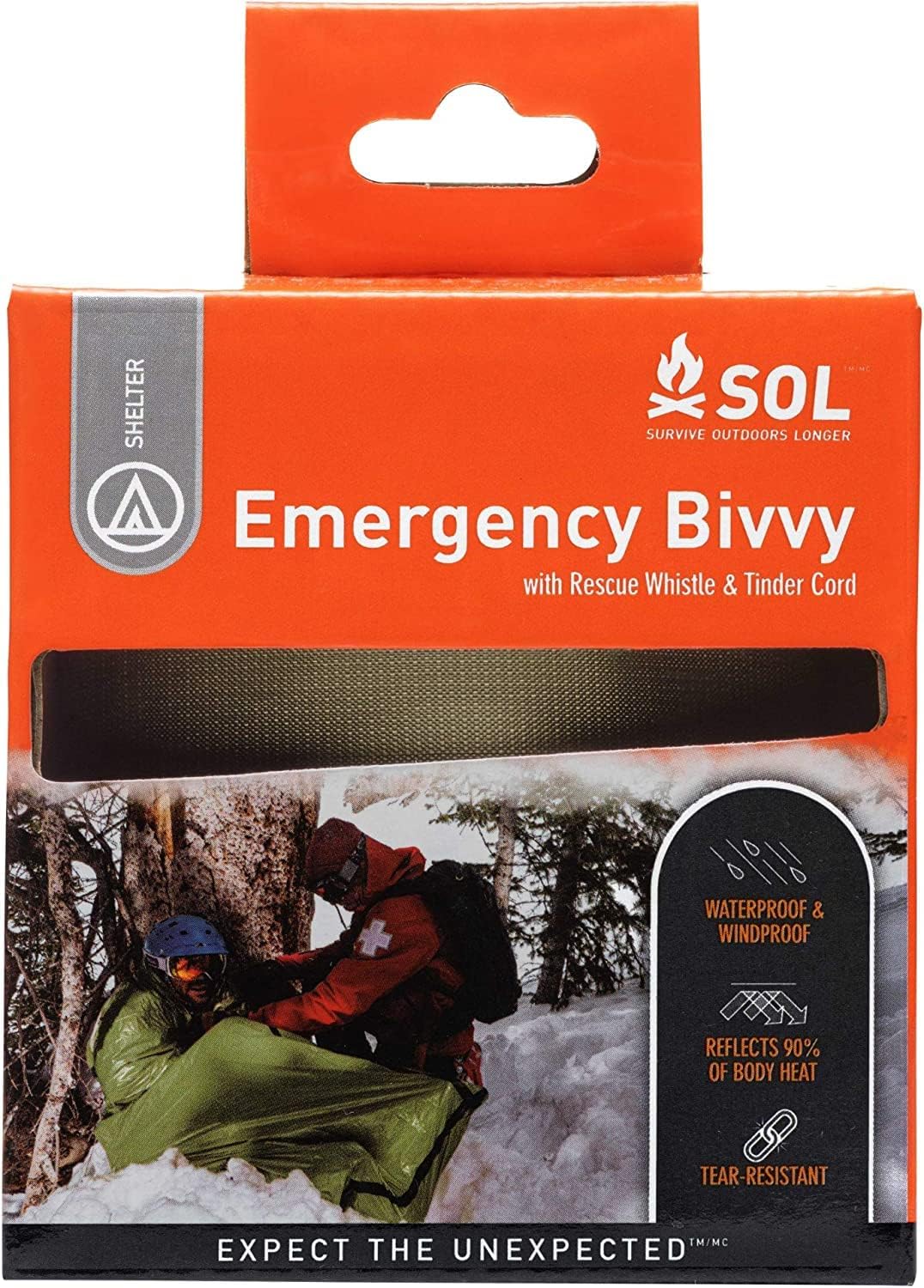
SOL Emergency Bivvy — $25.49. This is what the stranger gave me on the trail. It weighs 3.8 ounces, packs smaller than a fist, reflects 90% of your body heat, and is waterproof and windproof. It is not a sleeping bag — it is an emergency heat retention shell for exactly the situation I was in: core temperature dropping, miles from the trailhead, unable to generate enough body heat to stay safe. The SOL version includes a survival whistle and tinder paracord drawstring. I now keep one in the bottom of every pack I own and I never move it to a different bag. It stays in the pack.

BioLite Range 300 Headlamp — $39.95. I arrived at the trailhead after dark. The trail I know in daylight is a different trail in complete darkness with wet hands and reduced cognitive function. The BioLite Range 300 is waterproof, USB-C rechargeable, 300 lumens, 75-meter beam, and runs 100 hours on a charge. I charge it once a month whether I have used it or not. It lives in my pack next to the emergency bivvy. A headlamp is so light and so cheap relative to what it prevents that there is no rational argument for leaving it behind on any hike over 5 miles.
The Part That Still Bothers Me
I was not an unprepared hiker. I had done this trail before. I had trekking poles. I had water filtration. I had food. I had a map. I had done everything right except one thing: I had not internalized that weather forecasts in mountain environments are probabilities, not promises. 20% chance of showers means 1 in 5 hikes on that forecast will get rained on. Over a lifetime of hiking, you will be that 1 in 5 many times. The question is whether you are prepared when it happens.
14 ounces. Under $90. Every single time.
FAQ
What are the early signs of hypothermia on the trail?
The classic early signs are uncontrollable shivering, slowed thinking, poor coordination, and unusual fatigue. The dangerous part is that mild hypothermia impairs judgment — you may not recognize how serious your situation is. If you are shivering hard and cannot stop, get out of the wind, add layers, and use an emergency bivvy immediately. Do not wait to see if it gets better.
Is a rain suit enough for serious mountain weather?
For day hiking in most conditions, yes. For technical mountaineering, alpine climbing, or multi-day trips in harsh environments, you need a more technical shell with higher waterproof and breathability ratings. The FROGG TOGGS is rated for the conditions most day hikers encounter. It is not rated for summit attempts or sustained extreme weather.
How do I know if an emergency bivvy is still functional?
Check it once a year — unfold it, inspect for tears or punctures, refold it. The mylar material degrades over time, especially if repeatedly folded and unfolded. Most manufacturers recommend replacing emergency bivvies every 3 to 5 years even if unused. The SOL bivvy costs $25. Replace it on schedule.
Related Posts
5 Best Rain Jackets for Hiking in 2026 (Waterproof and Tested)
5 Best Headlamps for Camping and Hiking in 2026
How to Pack for Your First 3-Day Backpacking Trip